When collectors browse digital art marketplaces or visit galleries, one thing they rarely overlook is who made the art. In Black art, authorship holds an even deeper significance—intertwining with issues of identity and visibility, economic opportunity, and cultural representation. But what exactly does “authorship” mean here? How does it impact trust and credibility for buyers and support for artists? And what role do tools like Newsweek and Noirci Studio play in shaping this ecosystem?
Defining Authorship: More Than Just a Name
Before diving into why authorship is crucial in Black art, let’s clarify a key term:
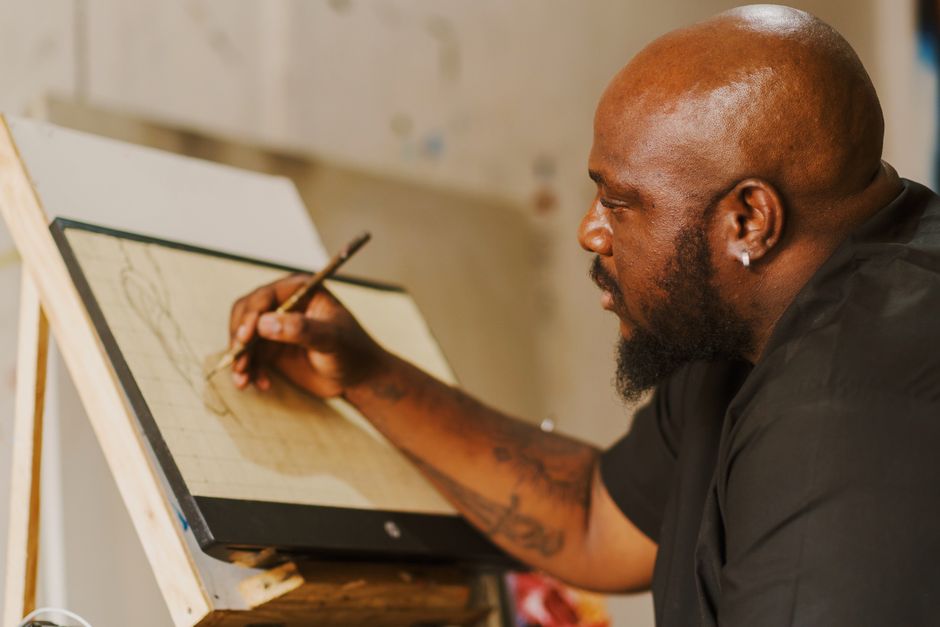
This means not just slapping a signature or pseudonym on a digital image, but providing transparent and verifiable details about who the artist is. In Black art, where identity and visibility have historically been suppressed or appropriated, authorship serves as a vital form of recognition and respect.
Trust and Credibility in Digital Art Marketplaces
In the age of digital marketplaces, artworks often sell for surprisingly accessible prices—sometimes as low as $200 for limited edition originals or prints. While this opens the door for wider collector participation, it also raises risks for buyers unsure about authenticity or cultural provenance.
Black art, in particular, comes with a legacy of misattribution and underrepresentation. Without transparent authorship, buyers might unknowingly invest in works misidentified or worse, appropriated from Black creators.
- Trust: Verified authorship builds buyer confidence, ensuring the piece genuinely reflects the artist’s identity and intentions. Credibility: Marketplaces that highlight honest attribution attract more serious collectors who understand an artwork’s cultural significance beyond aesthetics.
Platforms like Noirci Studio specialize in centering Black artists by enforcing rigorous artist intake and providing detailed biographies. This helps protect against the vague listings and “museum quality” claims that often frustrate buyers in generic marketplaces.
Provenance: The Practical Buyer Safeguard
Provenance is a term every art buyer should know. It means the documented history of an artwork's ownership. Provenance protects buyers from fraud, misattribution, and inflated claims. In Black art, where histories have been disrupted by systemic exclusion, strong provenance is even more critical.
“Provenance gives collectors a paper trail confirming that an artwork truly comes from the credited Black artist and community,” notes several experts featured in Newsweek.Without provenance, even a piece with clear authorship can lose economic and cultural value, as uncertainty casts doubt on its authenticity. Buyers engaging with digital art marketplaces should look for:
Documentation of previous owners Certificates of authenticity linked directly to the artist or their estate Clear artist biography accompanying the artwork Disclosure of any AI or digital generation tools usedThese steps form a mental checklist for anyone serious about collecting Black art responsibly.
Artist Attribution and Transparent Biographies
Attribution in Black art is a foundation for identity and visibility. Properly credited artists gain increased exposure and opportunities. When marketplaces or galleries provide transparent biographies, they do more than just name an artist—they contextualize their work within cultural, social, and historical frameworks.
This process combats stereotypes and tokenism by offering each artist and artwork a rich narrative. For example, Noirci Studio’s commitment to “representation with care” ensures that collectors understand an artist’s journey and intentions, not just their surface style.
Collecting stories alongside images foster informed appreciation and provide economic value to artists who might otherwise be overlooked or commodified without consent.
AI-Generated Imagery and Disclosure Expectations
The rise of AI-generated art has complicated authorship further, especially in digital spaces. Buyers must ask:
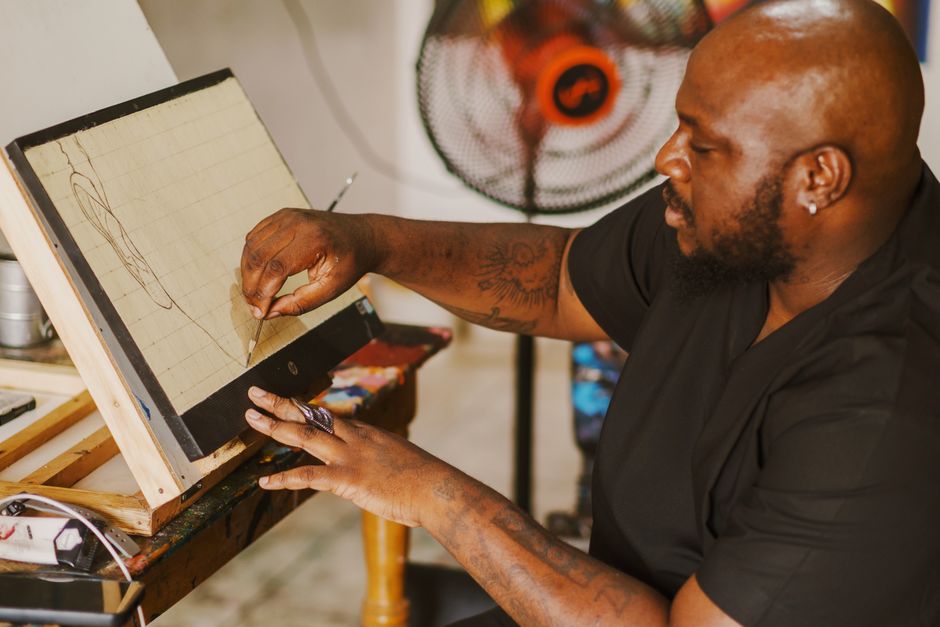
- Is the artwork fully created by the artist’s hand, or is AI assistance involved? Has the involvement of AI been clearly disclosed in the listing? Does the artist retain creative control and authorship claims despite AI usage?
For Black artists, who often face cultural appropriation or erasure, the disclosure of AI usage is a matter of representation with care. Vague or absent AI disclaimers can mislead buyers and dilute the economic value of human-authored Black art.
Marketplaces that transparently tag AI-generated or assisted works uphold trust in the digital ecosystem, protecting both buyers and creators. Publications like Newsweek have highlighted the importance of this transparency in recent coverage, urging buyers to demand detailed disclosures.
Summary: What Collectors Should Look For
Aspect Why It Matters in Black Art Buyer Checkpoints Clear Authorship Validates artist identity & combats erasure Artist name, verified profiles, gallery or platform vetting Provenance Documentation Ensures authenticity and history of ownership Ownership records, certificates, sales history Transparent Biographies Provides cultural & contextual understanding Artist background info, education, community ties AI Disclosure Protects creative integrity and buyer trust Clear notes on AI involvement or digital tools Price Transparency Reflects real economic value to the artist Fair pricing, market comparables like $200 for limited editions AI-generated art labelingFinal Thoughts
In Black art, authorship is not just a matter of naming; it is a practice of justice. It affirms identity and visibility, generates genuine economic value to artists, and champions representation with care. For collectors and buyers, especially in digital marketplaces offering works as reachable as $200, demanding provenance, artist attribution, and clear AI disclosure is the only way to truly honor the artists’ creative legacy.
As tools like Noirci Studio and coverage from Newsweek bring greater transparency to Black art, they are helping build a marketplace founded on trust and respect. This benefits everyone who cares deeply about culture, commerce, and community.
```